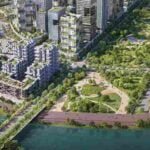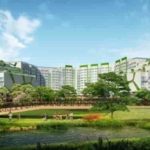
Under the Novena Master Plan, the Health City Novena will take advantage of the large cluster of medical centres and facilities, as well as hospitals in the area to build a world-class integrated medical hub. The Novena/Newton/Orchard Road areas in Singapore’s Core Central Region (CCR) […]
Continue readingCategory Archives: Singapore Property Hotspots – Identifying Investment Opportunities
A key strategy for identifying Singapore property hotspots is to analyse the Urban Redevelopment Authority (URA) Master Plan.
The URA Master Plan is a major policy framework that will guide Singapore’s urban development. These include outlining land uses, improving infrastructure, and strengthening key economic zones over the forthcoming 10-15 years. Updated every five years, they provide critical insights into Singapore’s evolving landscape.
The latest URA Draft Master Plan 2025 highlights a significant expansion in residential, commercial, and mixed-use developments, designed to create live-work-play environments, continuing its decentralising strategy.
By examining the master plan, investors can identify emerging property hotspots to invest in. By seizing the early initiative before major price rises can lead to attractive long-term returns.
Singapore’s housing landscape is broadly divided into three distinct regions – Core Central Region, Rest of Central Region, and Outside Central Region.
Below, we will examine some of the key areas and specific precincts (including Orchard Road, Newton, Novena, and Paterson Road) that present investment opportunities for both homebuyers and property investors.
The Greater Southern Waterfront (GSW)
The Greater Southern Waterfront represents one of Singapore’s most ambitious and transformative urban planning.
The relocation of port activities from Keppel and Pasir Panjang to the Tuas mega port will free up approximately 1,000 hectares of prime land along the southern coast, which stretches 30 km from Pasir Panjang to Marina East.
Leveraging on this coastal corridor, premier waterfront housing, offices, waterfront promenades, and lifestyle zones will be developed. At the same time, heritage buildings and port structures will be conserved to commemorate the area’s past.
Locational Strengths
- Waterfront Living: Scenic coastal and sea views with expansive promenades linking green spaces for a refreshing waterfront experience.
- Nature Integration: New green corridors will connect with existing nature parks such as the Southern Ridges, Mount Faber, and Labrador Nature Reserve, enhancing ecological connectivity for a more pleasant and sustainable living environment.
- World-Class Lifestyle and Leisure: The rejuvenation of Sentosa and the development of the new Downtown South (former Pulau Brani) as a world-class leisure destination to elevate the area’s prestige.
- Heritage and Conservation: The conservation and redevelopment of the Singapore Power District at Pasir Panjang into a waterfront lifestyle destination, and the preservation of heritage port structures, provide a unique urban living experience blending historical charm with contemporary vibrancy.
- Excellent Transport Connectivity: The completion of the Circle Line, with the addition of Keppel, Cantonment, and Prince Edward MRT stations, provides direct connectivity to the Central Business District and Marina Bay.
- Lively Mixed-Use Environment: Land parcels in the former Keppel Club, Marina South, and Marina East are earmarked as mixed-use developments, providing residents with convenient access to a wide range of lifestyle and retail offerings.
Benefits for Investors and Homebuyers
- Strong Long-term Demand: The rarity of waterfront residential housing and ongoing major infrastructure developments help to sustain long-term demand and property values.
- Future Growth Drivers: The integration of new lifestyle amenities and proximity to key job centres will drive high-quality residential and commercial demand, fostering a vibrant urban environment.
Marina Bay
As part of the Greater Southern Waterfront, Marina Bay is set to be a model for sustainable living, combining world-class business centres with high-quality residential developments and green recreational areas.
Situated at the heart of Singapore’s financial district, the URA’s vision is to transform it into a vibrant mixed-use waterfront precinct with Grade A offices, upscale hotels, a variety of residential options, and lively lifestyle offerings. The objective is to create a 24/7 destination that blends work, living, and leisure.
Although residents currently in the area enjoy convenient access to commercial and entertainment centres like Marina Bay Sands, Gardens by the Bay, and Marina Barrage, new developments such as the Founders’ Memorial, Marina Bay Sands’ fourth tower, and NS Square will further enhance the area’s appeal.
Meanwhile, recent private property launches in the area, such as One Marina Gardens, W Residences, and Newport Residences, signal a quickening in the pace of Marina Bay’s development.
Locational Strengths
- Central Location: Located at the heart of the Central Business District (CBD), it is served by a network of four MRT lines for unparalleled accessibility.
- Spectacular Views: It enjoys a wide coastal frontage and views of key landmarks.
- Green Living: To be developed into a sustainable, car-lite district.
- Connected Lifestyle: Planned to become a vibrant “10-minute neighbourhood” with extension to the city centre.
Benefits for Investors and Homebuyers
- Unparalleled Lifestyle & Convenience: Besides rare waterfront living, residents enjoy convenient access to world-class retail, dining, and cultural landmarks within a highly walkable urban environment.
- High Rental Yield Potential: The existing pool of high-net-worth tenants in the Central Business District (CBD) and Marina Bay Financial Centre ensures strong demand for premium residences.
- Long-Term Capital Appreciation: Early investors stand to benefit from the area’s transformation into a premier, self-sustaining residential enclave, as new developments come on stream.
- Asset Scarcity & Global Prestige: Given the limited supply of prime waterfront residential land, it commands a “scarcity premium,” offering long-term capital growth potential.
Greater One-North
Nestled within the Queenstown Planning District, One-North is often dubbed the Silicon Valley of Singapore.
It is Singapore’s flagship research and technology hub, housing biomedical, infocomm, digital, and media industries, supported by a strong ecosystem of research institutions, start-ups, multinational corporations, and talent clusters.
Under the URA Master Plan, the Greater One-North is set for an increase in residential developments to support the growing knowledge economy.
About 6,000 public and private housing developments will be introduced in the new Dover-Medway neighbourhood, which is strategically located near One-North and Kent Ridge MRT stations.
Locational Strengths
- Innovation Focus: The strong presence of research institutions, start-ups, and multinational companies fosters a live-work environment.
- Close to Universities: Proximity to NUS and NTU contributes to steady housing demand from families, students, and professionals.
- An Education Hub: Proximity to highly sought-after local and international schools providing quality education.
- Excellent MRT Connectivity: Served by two MRT lines – Circle and East-West, with the former running through the entire precinct. Future plans include connecting the Jurong Regional Line and Cross Island Line at the new West Coast station, which will then extend to the Kent Ridge MRT station on the Circle Line. When developed, this will significantly enhance transport connectivity between the Greater Southern Waterfront and many parts of Singapore.
- Lifestyle Integration: New recreational, leisure, and green spaces will be developed to enhance the quality of living.
Benefits for Investors and Homebuyers
- Rental Demand: Proximity to employment hubs attracts housing demand from those working in the tech and research sectors.
- Access to Key Employment Hubs: Direct MRT access to the Central Business District, Marina Bay Financial Centre, and Jurong Lake District further boosts housing demand.
- Lifestyle Attraction: The development of new recreational and lifestyle offerings helps to create a more vibrant living environment.
Jurong Lake District (JLD)
The Jurong Lake District has been planned to become Singapore’s second-largest business district outside the city centre, and a key part of the URA’s Western Gateway strategy.
Conceived as a model for sustainable urban living, the district will integrate commercial, residential, and recreational developments within a cohesive, transit-oriented environment.
This mixed-use strategy, including an integrated tourism and lifestyle hub, alongside the Jurong Lake Gardens, will create a vibrant, green, and sustainable district.
Locational Strengths
- Transport Nodes: The Jurong East MRT interchange will serve multiple rail lines (East-West, North-South, and Jurong Regional Line) and will be an integrated transport hub alongside a bus interchange. In the future, the Cross Island Line will run through the district, greatly enhancing commuting experiences.
- Economic Vitality: New commercial and high-tech hubs, including the Jurong Innovation District and Tuas Mega Port, position the Jurong Lake District as an ideal place to live, work, and play.
- Mixed-Use Synergy: Planned residential developments alongside work, retail, and recreation offerings create a holistic and self-contained neighbourhood.
- Education: The proximity to Nanyang Technological University (NTU), one of Asia’s leading research institutions, offers convenient access to quality education for residents.
Benefits for Investors and Homebuyers
- Decentralised Growth: Being developed as Singapore’s second-largest business district, the Jurong Lake District will draw strong rental demand from both residents and professionals working in the surrounding business and research centres.
- Strategic Positioning: Close proximity to commercial and industrial precincts, as well as academic and research institutions, enhances long-term capital growth potential.
Woodlands Regional Centre
The URA Draft Master Plan 2025 has reinforced Woodlands Regional Centre as Singapore’s “Northern Gateway,” transforming it into a high-growth economic and lifestyle hub.
Central to this vision is the Johor Bahru-Singapore RTS Link, alongside a massively expanded Woodlands Checkpoint, to support cross-border trade and mobility.
The plan to introduce over 10,000 new homes, including waterfront residences and the nature-centric “Housing by the Woods” precinct, will support the region’s growing importance.
Economic growth is driven by flexible “Business-White” zoning, catering to the Agri-Tech and Food Corridor, alongside the development of the Johor-Singapore Special Economic Zone.
Connectivity is enhanced through the WoodsVista Gallery, a 1.9km pedestrian link connecting the commercial core to the waterfront.
A new integrated community hub for sports and healthcare complements its industrial scale to enhance liveability, establishing Woodlands Regional Centre as the North’s premier live-work-play destination.
Locational Strengths
- Excellent Transport Connectivity: Served by the North-South and Thomson-East Coast MRT lines, plus the upcoming Johor RTS Link for seamless cross-border access.
- Strategic Northern Gateway: Establishment of the Johor-Singapore Special Economic Zone (JS-SEZ) elevates Woodlands’ status as a strategic investment location, offering businesses and investors dual-market access.
- Proximity to Amenities: Access to Causeway Point mall, Admiralty Park, Sembawang Hot Spring Park, and Woodlands Health Campus provides comprehensive shopping, recreation, and healthcare convenience.
Benefits for Investors and Homebuyers
- Housing Demand: Potential increase in housing demand from professionals in nearby business parks, logistics firms, and cross-border businesses.
- Housing Affordability: Attractive entry prices compared to other regions of Singapore offer attractive investment returns.
- Future-proof Living: Exciting mixed-use developments offer convenience without central district premiums.
- Long-term Capital Appreciation: Potentially driven by regional centre expansion and infrastructure upgrades, such as the RTS Link.
Orchard Area: Newton, Novena and Paterson Road
Prime districts such as Newton, Novena and Paterson Road (Orchard) are drawing strong investor interest, driven by strategic URA redevelopment plans and their unmatched central locations.
These areas benefit from excellent transport connectivity, high-density development potential, and proximity to medical hubs and lifestyle amenities, positioning them for long-term capital growth amid limited supply.
There are plans include to develop 6,000 new homes in Newton Circus, Scotts Road, Monk’s Hill and Paterson Road, along with a 500m pedestrianised street in front of Plaza Singapura that will link up with an expanded Istana Park.
Newton & Novena Precinct
Multiple clusters around Newton Circus, Scotts Road, and Monk’s Hill are being redeveloped into a mixed-use urban village anchored by the Newton MRT interchange.
The URA plans to offer 5,000 new homes around the Newton MRT station, supported by pedestrian-friendly public spaces which will blend with the area’s rich heritage and history.
In November 2025, a plum Newton GLS site garnered 8 bids, topped by HH Investment at S$566.29 million or S$1,820 psf ppr. This underscores the confidence in the rejuvenation of the area highlighted in the URA Draft Master Plan 2025.
Locational Strengths
- Strong MRT Connectivity: Served by the Newton MRT interchange (North-South and Downtown Lines) and one stop to Orchard MRT Interchange (North-South and Thomson-East Coast Lines), it offers quick access to Orchard, Novena, and CBD within minutes.
- Vibrant Community: Near the iconic Newton Food Centre and upcoming “Village Square”, they offer vibrant street-level amenities and community activities.
- Heritage Charm: Preserved colonial buildings to be integrated with linear park along Monk’s Hill Road, enhancing green pedestrian links.
- Strong Education Cluster: Proximity to highly sought-after schools along the Bukit Timah/Dunearn Road belts, such as Nanyang Girls’ High School, Methodist Girls’ School, and Hwa Chong Institutions.
Benefits for Investors and Homebuyers
- Mixed Developments: 5,000 new high-density private residences alongside a green “Urban Village” with landscaped public spaces elevate living experiences.
- Abundant Amenities: Convenient access to Novena and Orchard shopping areas, renowned dining establishments, and healthcare facilities at Novena Medical Hub, make it an appealing choice for home seekers.
- Land Use: Rezoning to white/mixed-use sites to potentially provide commercial developments which will enhance the area’s value.
Paterson Road
Under the URA Draft Master Plan 2025, Paterson Road will be transformed into a mixed-use neighbourhood with approximately 1,000 private homes to be built on top of the Orchard MRT station, an interchange for the North-South and Thomson-East Coast Line.
Some of its key features include a high-density vertical village with retail and office components. There will also be pedestrian and cycling links to River Valley and Newton located nearby, along with green public spaces to improve living standards and convenience.
Locational Strengths
- Unrivalled Central Connectivity: Direct access to Orchard MRT Interchange (North-South/Thomson-East Coast Line) together with the upcoming North-South Corridor expressway helps to reduce travel time to East Coast Park, Woodlands Regional Centre and many parts of Singapore.
- Proximity to Lifestyle Hubs: A short walk to Orchard Road, Singapore’s premier shopping, entertainment, and lifestyle destination, and HealthCity Novena, a world-class medical hub, providing exceptional accessibility to a comprehensive range of retail, leisure, and healthcare amenities.
- Prestige School Network: Convenient public transportation access to educational institutions like Anglo-Chinese School (Junior), Singapore Chinese Girls’ School, and Hwa Chong Institution along the Bukit Timah/Dunearn Road belt.
- Master Plan Rejuvenation: Strategic high-density mixed-use growth area integrated with heritage elements to provide a charming living experience blending history and modernity.
Benefits for Investors and Homebuyers
- Central Location: Convenient access to premier shopping, dining, entertainment, healthcare, transport, and everyday amenities.
- Mixed-Use Vibrancy: An integrated live-work-play project offering urban conveniences and a contemporary lifestyle.
- History and Heritage: Proximity to historical districts like Little India, Boat Quay, and Kampong Glam, alongside historical landmarks such as Raffles Hotel, Victoria Concert Hall, and National Gallery, offers an enriching living experience.
- Exclusivity: Exclusive location that appeals to high‑net‑worth investors and affluent homebuyers seeking prestigious residences in prime District 9.
Singapore’s East Region Property Hotspots
Singapore’s East Region encompasses several mature housing estates, which includes Bayshore, Bedok, Tampines, Simei, Pasir Ris, and Changi. Over the years, these areas have evolved into well-established residential enclaves known for their improved transportation accessibility and vibrant community life.
With an abundance of amenities, green spaces, and recreational facilities, the East offers residents a convenient and self-contained living environment.
Meanwhile, the ongoing enhancements to transport infrastructure, which include the expansion of the MRT network and the development of integrated transport hubs, further elevate the region’s overall quality of life.
As the East Region spans a substantial area, we will highlight specific locations below with the potential to develop into future property hotspots.
Bayshore
The new Bayshore neighbourhood has gained prominence under the URA Master Plan, which include the development of Long Island.
Situated near East Coast Park, it will be served by the upcoming Thomson-East Coast Line to support new public and private housing developments.
At the government land sale in March 2025, SingHaiyi-Garnet, a joint venture between SingHaiyi Group and Haiyi Holdings, submitted a record bid of $1,388 psf per plot ratio (ppr) for a land parcel in the precinct. The upcoming development is expected to offer approximately 515 private residential units.
The strong interest in the site clearly underscores Bayshore’s appeal due to its highly sought-after waterfront setting and its proximity to the Long Island development.
Locational Strengths
Waterfront and Park Access: Located near East Coast Park with convenient access to coastal recreation and lifestyle amenities.
- Integrated Living: Plans include a central park, school, transit priority corridor, and community facilities to foster an inclusive and convenient living environment.
- Transport Connectivity: The Bayshore MRT station and upcoming Bedok South Integrated Transport Hub will offer convenient transit access to the CBD and other regions.
Benefits for Investors and Homebuyers
- Waterfront Living: Overlooking East Coast Park, it offers a highly coveted coastal living experience.
- Lifestyle Conveniences: Proximity to recreational amenities and everyday conveniences attracts housing demand from families and professionals.
- New Housing Precinct Advantages: As an emerging residential precinct, it presents attractive first-mover opportunities, particularly before the area reaches full development.
Former Paya Lebar Airbase
The relocation of the former Paya Lebar Air Base from 2030 onward will free up approximately 800 hectares prime land. This is five times the size of the Toa Payoh housing estate.
Under the URA Master Plan, it will be transformed into a mixed-use town, potentially housing up to 150,000 homes alongside jobs, amenities, and parks with elements of its airport heritage.
The removal of airport height restrictions will enable higher-density development, allowing the optimisation of land use for residential and commercial developments. This can be expected to boost property values in formerly constrained areas.
The new township will be well-connected to key residential areas such as Serangoon, Hougang, Tampines, and Changi when the Cross Island is built. It also enjoys proximity to major employment nodes such as Paya Lebar Quarter, Tai Seng Industrial Estate, Punggol Digital District, and Changi Business Park.
Locational Strengths
- Connecting Estates: Historically, the airbase created a physical divide between towns like Hougang, Tampines, and Punggol. Its redevelopment will seamlessly integrate these neighbourhoods, enhancing connectivity and access to a broader range of amenities.
- Transport Connectivity: Served by the upcoming Cross Island Line that connects Changi Airport in the east and Jurong Lake District in the west, two of Singapore’s major economic zones.
- A Car-lite and Sustainable Development: The town centre is designed to be car-lite with significant green spaces to enhance overall living quality.
- Conservation of Airbase Infrastructure: The 3.8 km runway will be retained as a “green spine” and transformed into a community promenade, while historic structures such as the control tower, hangars, and passenger termina, will be adapted for distinctive community and commercial uses.
Benefits for Investors and Homebuyers
- First-mover Advantage: Early movers can benefit from long-term capital appreciation as the new town and neighbouring estates are progressively rejuvenated.
- Strong Rental Prospects: Benefit from a sizeable future resident base, employment clusters, and enhanced regional accessibility.
- Diversified Housing: A well-balanced combination of public and private residential developments caters to various housing needs and budgets, fostering a more active resale market over time.
Tampines Regional Centre
As one of Singapore’s four regional centres alongside Jurong, Woodlands, and Seletar, the Tampines Regional Centre is continuing to evolve beyond a suburban hub into a vibrant mixed-use district with better residential, commercial, and community integration.
These include new towns such as Tampines North and Tampines West, which have witnessed several new private property and executive condominium launches. These include Aurelle EC, Parktown Residences, Rivelle EC, and Pinery Residences.
Locational Strengths
- Matured & Established Estate: Established commercial nodes, retail malls, healthcare facilities, parks, and community provide a live-work-play environment.
- Transport Gateway: The Tampines MRT interchange (East-West/Downtown), combined with extensive bus networks, significantly enhances regional accessibility, including a direct connection to Changi Airport.
- Planned Enhancements: New mixed-use developments, integrated transport hubs, and pedestrian connections to invigorate the town centre.
- Town Expansion: Development of new townships in Tampines North and Tampines West will introduce high-quality housing, green spaces, and integrated amenities, significantly elevating living standards.
Benefits for Investors and Homebuyers
- Strong Tenant Base: Mature estate with varied demographic mix supports consistent housing and rental demand.
- Improving Infrastructure: Upgrades to transport and public spaces to underpin property values.
- Enhanced MRT Connectivity: The upcoming Tampines North Integrated Transport Hub, featuring the Cross Island Line and a new bus interchange, significantly improves accessibility and attracts both homebuyers and investors.
- Mixed-Use Vibrancy: Expansion of retail, offices, and amenities further improves the live-work-play ecosystem.
Changi Region
Adjacent to Singapore’s aviation hub, the Changi Region is set to benefit from Changi East’s development, which include the future Terminal 5 and Changi East Urban District.
The 40-hectare Changi East Urban District, anchored by the mega Changi Airport Terminal 5, will integrate aviation, business, logistics, leisure, and waterfront living. It will also be supported by new transport infrastructure, green corridors, and coastal parks.
Its development seeks to strengthen Singapore’s role as a global air hub alongside innovation-led development across the eastern region.
Besides introducing new amenities, green spaces, and waterfront recreational facilities, it will also create jobs. This will boost living standards in the surrounding Changi Region, which will in turn stimulate housing demand and underpin property values.
Locational Strengths
- Excellent Transport Connectivity: Served by an extensive MRT network and major expressways, enhancing accessibility and commuting convenience.
- Employment Proximity: Near a major aviation, logistics, and business hubs, supporting strong housing and rental demand.
- Lifestyle Amenities: Access to waterfront parks, retail, dining, and recreational facilities improves liveability.
- Infrastructure Development: Long-term government-led development and infrastructure investment to enhance living standards.
Benefits for Investors and Homebuyers
- Employment Nodes: Growth in aviation, logistics, and associated industries drives long-term employment demand.
- Transport Connectivity: Future rail and road enhancements to provide seamless travel between the East Region and the rest of Singapore.
- Lifestyle Elements: Proximity to coastal recreation and community spaces amplifies lifestyle appeal.
Conclusion – Prominent & Upcoming Property Hotspots
Singapore’s property market is being shaped by structured urban planning outlined in the URA Master Plans. Several districts are emerging as property hotspots, each offering distinct characteristics.
To recap, these include the following:
- Greater Southern Waterfront: Waterfront residential development
- Greater One-North: Innovation and technology hub
- Jurong Lake District and Tampines: Key regional centres in the government’s decentralisation strategy.
- Bayshore and Changi: Eastern growth corridors
- Newton/Paterson (Orchard): Established central luxury precincts
Key Locational Factors
These areas share common strengths that merit consideration:
- Enhanced transport connectivity through infrastructure improvements
- Proximity to employment centres and economic activity
- Access to retail, dining, and recreational amenities
- Mixed-use development integration
Investment Perspectives
For homebuyers, these regions or areas present a broad spectrum of housing choices catering to different budget levels, lifestyle preferences, and specific needs, such as staying close to their workplaces or family support networks.
Each of them also offers distinct market characteristics, pricing dynamics, and living environments.
Therefore, having clear market insights for different regions is essential for making informed housing decisions, whether you are a homebuyer or property investor.
To find out more about Singapore’s housing market, please refer to our property resources. It include the following guides:
- Property Investment Guides
- Private Property Guides
- Executive Condominium Guides
- HDB Guides
- Property Regulations
- Property Finance & Costs
- Property Marketing
Development of Tampines North: A Green & Well-Connected Township (Review & Insights)
The exciting development of Tampines North, which is an extension of the Tampines Regional Centre, is expected to further boost its reputation as an ideal location to live, work, play and study. Due to its strategic location straddling key economic areas – Changi Region in […]
Continue readingTampines Regional Centre: A Vibrant Shopping Haven & Housing Estate (Review & Insights)
The Tampines Regional Centre was first developed in Singapore in 1992. After three decades, it has become one of the most established and vibrant regional centres with a wide range of amenities and nature parks, catering to residents and workers in the eastern region of […]
Continue readingGreater One-North: Property Hotspot in a High-Tech & Research Hub (Review & Insights)
Get the latest details and developments on why the Greater One-North is set to become one of Singapore’s emerging property hotspots. Originally conceived as a high-tech research hub, it is evolving into a fully integrated live-work-play-learn precinct. The 200-hectare R&D and innovation district, comprising Biopolis, […]
Continue readingWoodlands Regional Centre: Property Hotspot in the North Region (Review & Insights)
Key Takeaways Housing & Lifestyle: Over 80,000 new homes planned in Singapore’s North over the next decade. Sembawang Shipyard to be redeveloped into a waterfront lifestyle district. Kranji’s Turf Club site to transform into 14,000 homes with nature-centric living. “Housing by the Woods” in Woodlands […]
Continue readingThe Greater Southern Waterfront Review: A Property Market Outlook & Review
Key Takeaways Major Transformation: The Greater Southern Waterfront (GSW) spans 2,000-ha, transforming Singapore’s southern coastline into a dynamic urban hub. Site Redevelopment: Key areas like Keppel Club and Pasir Panjang Power District will be redeveloped into new neighbourhoods with a mix of housing and lifestyle […]
Continue readingJurong Lake District: Understand its Property Investment Potential (Review & Insights)

Key Takeaways: Singapore’s Second CBD: The Jurong Lake District (JLD) is a 410-hectare project in western Singapore aimed at becoming the nation’s second central business district. Sustainability Focus: The development aligns with Singapore’s Green Plan 2030, establishing a new benchmark for sustainable urban living. Four […]
Continue readingSingapore’s Bayshore & Long Island Development: A Waterfront Property Hotspot (Review & Insights)
Singapore, a nation recognised for its innovative urban planning and land optimisation, is once again pushing boundaries with two significant projects: the development of the Bayshore housing estate and Long Island – a major land reclamation project with several objectives. These two interconnected developments will […]
Continue readingMega Developments In The East Region
Many mega developments in the East Region have been planned by the URA. This is expected to underpin it as an important economic zone amid the government’s plan to further decentralise some of its major industries away from the city. Unsurprisingly, new developments such as […]
Continue reading